
Login


Posted by Admin 129sc on August 21, 2026
Inspiring stories of resilience and hope.
Australia’s most premature surviving baby
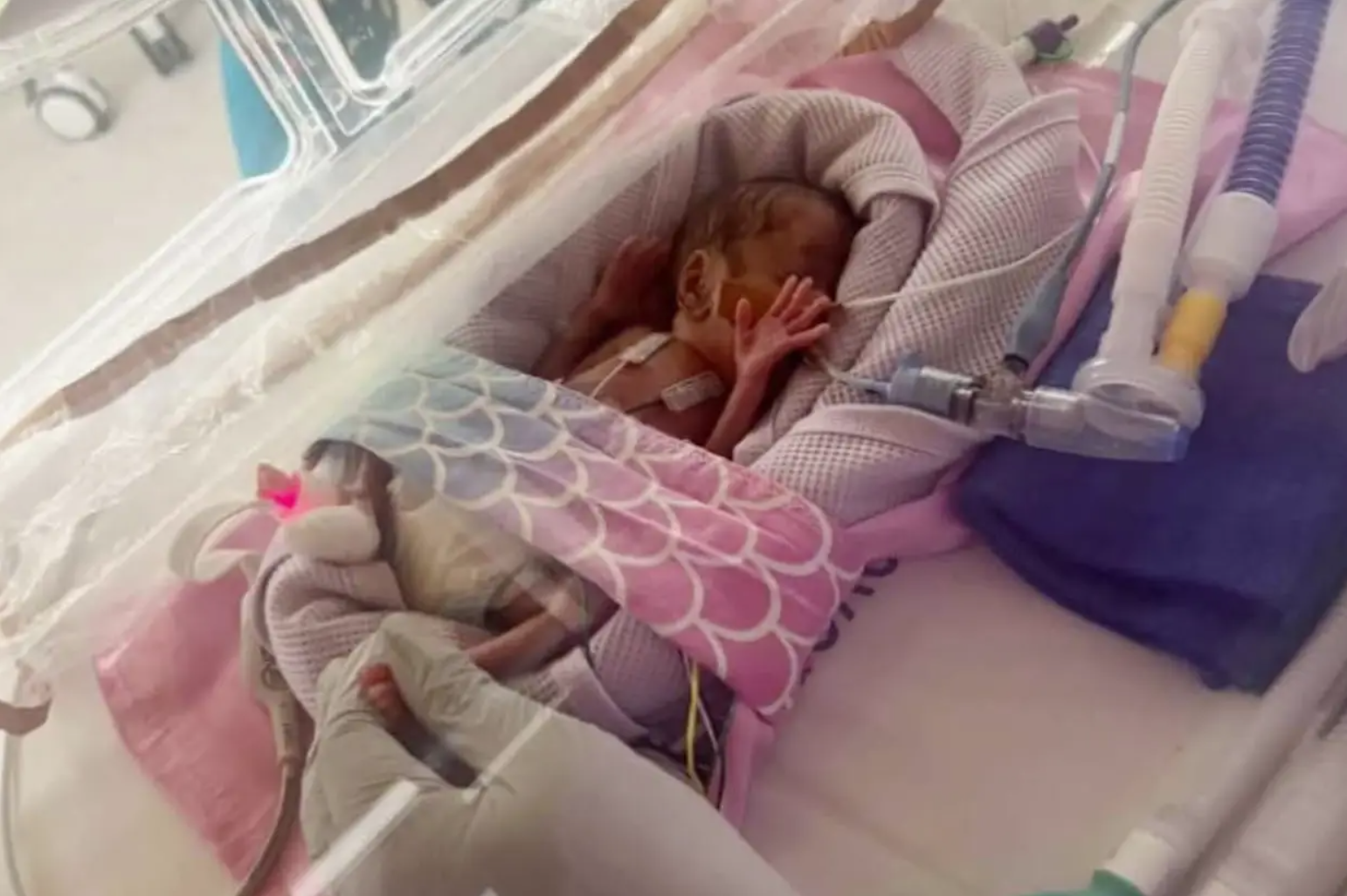
Born at just 21 weeks and 3 days, Miracle was 351grams at birth, and spent 14 weeks in the neonatal ICU. Whilst resuscitation is not usually offered at this stage of prematurity, dates on how far along in the pregnancy a mother is, can be updated if there's enough evidence that it should be, which is what happened with Miracle. Her Mother Annrose only discovered she was pregnant with Miracle 5 days before she was delivered and the initial scans thought Miracle measured to be 22 weeks when delivery was decided.
Read more about her story HERE.
Australia’s second most premature surviving baby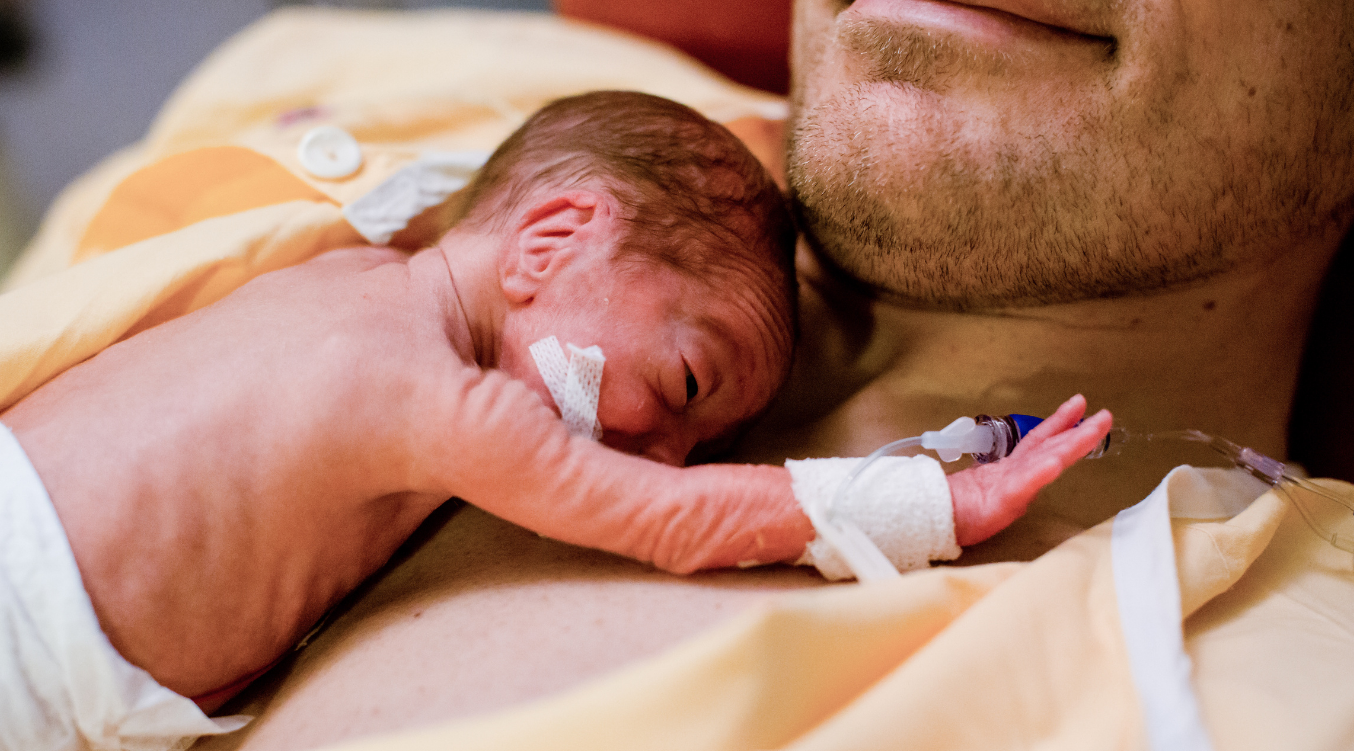
Stevie, was born at just 22 weeks and 2 days, weighing only 500 grams. Her parents, Bree and Jake, were travelling from Perth to Queensland when an undiagnosed infection triggered sudden preterm labour.
Despite doctors preparing the family for the likelihood of a poor outcome, Stevie defied expectations. She received highly specialised care in the Neonatal Intensive Care Unit (NICU) in Townsville, Queensland. After three months of intensive treatment, she was stable enough to be transferred closer to home in Perth and is now reported to be thriving.
Her journey was far from simple. Stevie faced serious complications, including neonatal sepsis, a bowel perforation requiring surgery, and two episodes of collapsed lungs. Each of these life-threatening conditions was managed through advanced neonatal care.
Babies born this early are at the very edge of viability. Survival rates are low, often between 10–20%, and those who do survive can face significant health challenges, including chronic lung disease, brain bleeding, serious bowel conditions, and long-term developmental difficulties.
Stevie’s story is a remarkable example of what is possible with modern medicine, skilled clinicians, and dedicated care. More than that, it is a powerful reminder of the resilience of even the smallest patients.
Her life stands as a compelling witness to the inherent value of every human being—no matter how small, fragile, or early in development—and why each one deserves care, protection, and the chance to live.
Click HERE for the link to the story
Lucky

As I looked at the baby sleeping peacefully in the incubator, I realised that if the mother had presented to the hospital 12 hours earlier, this baby wouldn’t be here. How lucky for him that she didn’t.
As a neonatal nurse, I’d spent years caring for babies in the NICU, the neonatal intensive care unit. I’ll never forget the day a young overseas student presented to the hospital in labour and birthed a 1.7kg baby of unknown gestation. As the midwife handed over the history, she explained how the mother had tried to abort her pregnancy with the morning-after pill, which hadn’t worked. She hadn’t received any antenatal care because she had made plans to travel back to her country, where she knew she could get an abortion at a late stage. But before she had the opportunity to, she went into preterm labour. The baby was estimated to be about 30 weeks’ gestation.
Had this baby’s mother presented just hours earlier, they could have offered her a feticide. This procedure kills the fetus while the baby’s still inside, but because she was in established labour, it was considered too dangerous for the mother to have the procedure, so they delivered her. The baby was born in good condition and was admitted to the nursery. I explained to the other nurse in the room working with me that day, that he was lucky to be here and why. She was unaware and couldn’t believe the hospital did feticide's for this reason.
His mother came in to see him a few times, and after speaking with the social worker, decided to place him for adoption. He was healthy and needed minimal care. He spent 6 weeks in the nursery while he learned to feed and was discharged with a foster carer, whilst the adoption paperwork was sorted. A year later, the foster carer decided to adopt him into her family and at the last review, he was thriving. I nicknamed him Lucky because of his start to life, and I had a feeling he was going to do well.
Author: Neonatal Nurse (18 years) and a member of Pro-life Health Professionals Australia.
A Trisomy 18 diagnosis: the pressure to terminate

(This is a story from the family's perspective, and typical of the medical advice given when this condition is diagnosed antenatally)
It was a devastating day when we were told that our precious unborn child had trisomy 18. Also known as Edward's syndrome, Trisomy 18 is a chromosomal abnormality which is often fatal or life-limiting. The doctors who diagnosed our daughter asked us if we wanted time to "think about what we wanted to do". By this they were implying that we may want to consider terminating the pregnancy because of her diagnosis. Here we were being told our unborn baby had a medical condition, and then were being asked by the medical team (who we were expecting to care for her), if we wanted to kill her.
We told the doctor that we loved our baby and would fight for her. We asked about treatment options. The doctors seemed surprised and continued to ask if we needed more time to think. We said killing our baby was not an option. Despite this, we continued to face talks about termination, which added a negative dimension to our pregnancy, and we were discouraged each time it came up. They kept reassuring us it was legal up until birth.
We loved our baby from the moment we found out we were pregnant. Her diagnosis and medical condition didn't change this, she was part of our family. We started doing our own research into treatment options and palliative care and continued the pregnancy until I went into labour. Sadly our daughter died shortly after birth. I was able to hold her, her entire life. She was beautiful and looked like her siblings. They adored her and we loved every minute she was with us. Every day I carried her was a joy, and I feel privileged I was able to advocate for her countless times. Family and friends supported us and acknowledged our loss.
There is not enough information or support for parents facing a life-limiting diagnosis, with so much information focused on termination of pregnancy. We were saddened that others would go through this experience and feel that termination was their only option. We want other women and parents to know they can and should defend their baby's life, no matter how short. Aborting a child with a fatal condition is discrimination. There is nothing compassionate about aborting a child with a fatal condition now, in order to avoid their death later. Every unborn baby should be protected, regardless of their diagnosis.
Being pro-life should always be the default
At the start of my training in Neonatology, a case that stuck in my memory was that of a baby born at 23 weeks in a rural area, after her mother went into preterm labour. In 2006, we had only just begun to routinely offer resuscitation to babies at that extreme premature gestation and being outborn, the chances of survival were even more unlikely. The Generalist doctor and Midwife looked at how tiny she was and after calling the tertiary centre retrieval team, a joint decision was made to palliate, with the expectation that the baby would soon die.
A couple of hours later the midwife went to check on mother and baby, and the baby was still breathing. So after another phone call to the retrieval team, it was decided to send out a Neonatal Doctor and Nurse to bring her back to the neonatal intensive care unit (NICU). The baby survived and her only significant complication of note, was developing a unilateral grade 4 intraventricular haemorrhage (brain bleed), which placed her at risk of cerebral palsy.
I had the opportunity to see her at 4 years of age and marvelled at how clinically, all she had to show for her extreme start to life, was a slight stiffness in her lower leg on one side. Cognitively and functionally she was like any other 4 year old. It is in the 3rd trimester, that the fetal brain grows the fastest, so the capacity for neuroplasticity and the ability for the brain to repair itself, can surprise us!
We've come so far pushing the boundaries of viability, which is why advocating for mothers in rural areas to be able to "access abortion", by allowing their premature babies, who are developing normally and are of viable gestation, be born alive and not be offered standard care, is regressive and should not be the default.
Author: Neonatologist and member of PHPA
Do you like this post?
Latest
October 2026 - Preconception Care and Early Pregnancy Loss
Posted by Admin · October 07, 2026 10:19 PM
Presented by Dr Michael Azzi
Medical Myths of Abortion
Posted by Admin · October 04, 2026 5:31 PM
RN Naomi Bunker presenting on Abortion Myths
Human Rights (Children Born Alive Protection) Bill 2026 - PHPA Position Statement
Posted by Admin · September 09, 2026 6:34 AM
Hon Llew O'Brien, Member of the House of Representatives has introduced the Human Rights (Children Born Alive Protection) Bill 2026.